One of the first
questions that people ask when setting up a reef aquarium is, “What
type of filter should I use?”In order to make an informed decision, it is necessary to
have a basic understanding of the different types of filtration and how
they will help you maintain a beautiful reef tank.There are three main types of filtration: biological,mechanical,
and chemical. This article will briefly discuss each of these and
what role they play in the reef aquarium.
The
most important type of filtration in any aquarium is biological
filtration.Put
simply, this wonderful process converts the waste products of the
reef inhabitants to a non-toxic state. This complex yet crucial
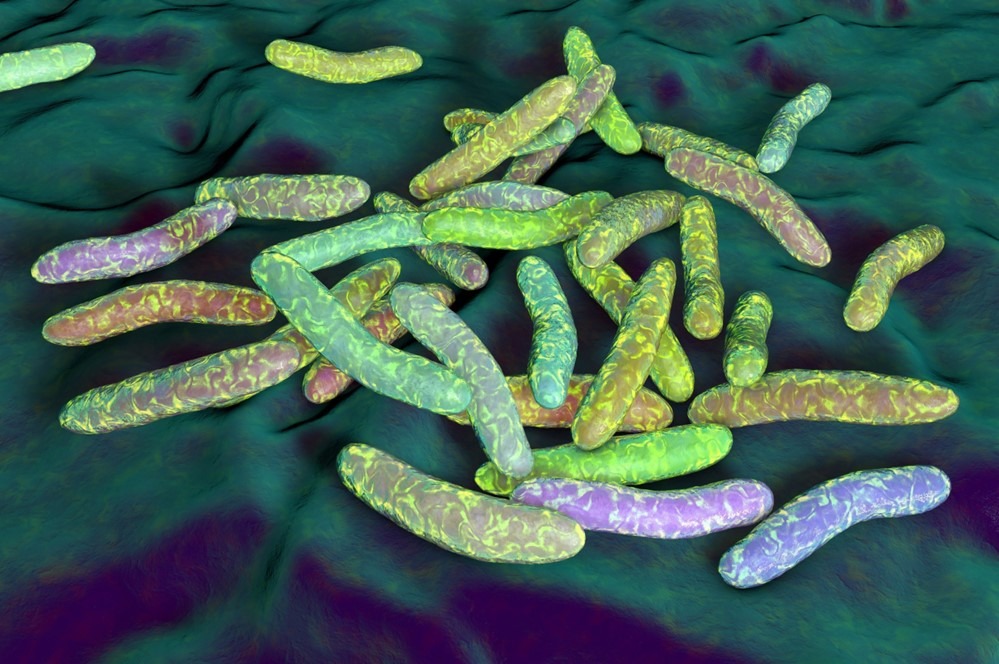
process is carried out by various types of bacteria that live on
every surface of your aquarium. In order to maximize the growth
potential of the bacteria, aquarists utilize biological filters.
There
are many types of biological filters on the market.Under gravel filters, bio-wheels, wet/dry or trickle
filters all have the same goal, to house and grow nitrifying
bacteria.These types
of filters are essential for fish only systems. Without sufficient
surface area for the bacteria to grow, the carrying capacity (i.e.
the amount of animals the aquarium can safely support) quickly
becomes very low. The reason for this is the presence of toxic
ammonia.
In the aquarium, ammonia comes from two main sources.
The first is the breakdown of organic material by heterotrophic
bacteria.All of the excess
food, fish waste, dead bacteria etc. is converted to its basic state of
inorganic materials (including ammonia), CO2 and water.This process is called mineralization.
Proud sponsor of this column
The
second source (and a very important one) is the bi-product of animal
respiration.Aquatic animals release ammonia directly into the aquarium
water.This is a passive process.If the levels of ammonia in the surrounding water become too
high, the animals cannot get rid of their own waste ammonia. This
normally happens when an aquarium is has just been set up and the
bacterial population has not become established or something has
caused an existing population to die back. This is the number one
killer of aquarium inhabitants.
Luckily
for us the ammonia produced by these sources is converted to nitrite
(NO2) by a group of autotrophic (self feeding) bacteria.Nitrite, though nowhere near as dangerous as ammonia, is
thankfully metabolized by another group of bacteria that convert it
to the relatively benign nitrate ion (NO3).This process is called nitrification. In many fish
only systems this cycle ends there, and water changes or some sort
of denitrification filter reduces the ever-accumulating nitrates.
These filters utilize various species of bacteria that can live with
or without oxygen.When these bacteria are kept at very low oxygen
concentrations, they utilize the oxygen in nitrate and convert it to
nitrogen gas (N2).This process is called denitrification.
Conveniently,
when we fill our aquariums with live rock and sand, we get a perfect
home for lots of bacteria, both nitrifying and denitrifying. All of
the surfaces in your reef effectively become your biological filter.The oxygenated surfaces, such as the outer surfaces of rock
and top layer of sand, support the nitrifying bacteria. The
innermost layers of rock and lower levels of sand can support the
denitrifying bacteria.Therefore,
there is no need for additional bio-filtration (bio-balls, wheels,
etc.) The establishment of the biological filter takes place the
moment you place live rock and live sand into the aquarium.
The
length of time that the reef’s biological filter takes to
establish will vary from tank to tank.If the live rock or sand has just come from the ocean, then
it is referred to as uncured.There
are many organisms on the rock (sponges, tunicates, crabs, etc.)
that will die off as a result of shipping.Therefore the rock needs to be placed into a vat or fishless
aquarium to “cure.”Through
the use of filtration and water changes, the die off ends and all of
the forms of life, including bacteria, start to grow.
In
general, the bacterial colonies in an established reef tank are
quite resilient. However, just like with a fish only aquarium, there
are certain things that must be avoided to ensure their stability
and to avoid an ammonia spike.
Avoid
introducing large amounts of organic matter in a short period of
time, i.e. uncured rock.
Do
not add any sort of antibiotics directly to the reef.
Unfortunately, the medications that you would use to treat
infected fish cannot distinguish between the pathogenic bacteria
and the nitrifying bacteria. Therefore, always treat infected
fish in a separate hospital tank.
Also
it is important to resist the urge to treat cyanobacterial
blooms with these medications as well.It is true that these “slime algaes” will respond to
treatment with antibiotics such as erythromycin. However, you
could easily do more harm than good if you end up killing off
your beneficial bacterial population in the process.
This hang on power filter
utilizes rotating biological contactors (aka bio-wheels).Although this type of filtration works well for fish
only aquariums, it is redundant on a reef aquarium.
Although
wet/dry filters do an excellent job of housing the bacteria
that convert ammonia to nitrate, the process ends there.
It is important to
remember when adding live rock to an aquarium that, unless the
rock has been cured, there can be substantial die off.
Scavengers are an integral part
of the reef aquarium, but use caution, some species such as
this hermit crab (Dardanus megistos), can grow up to
5” and be predatory toward small fish, and will definitely
eat corals. However, there are many smaller hermit crabs that
are well suited to a reef tank and are excellent scavengers (Paguristes
cadenati, Clibanarius
digueti and C.
tricolor, Calcinus laevimanus).
Another
means of biological filtration that does not involve bacteria is the
use of algae to metabolize nitrogenous compounds.This includes, not only the symbiotic algae that grow in
corals, but micro and macro species as well. Many reef aquarists are
incorporating a small area in their systems to grow various algal
species.These areas,
often referred to as algae scrubbers, are located in a separate tank
that is in some way connected to the main system.The algae are grown in a protected area for two reasons.First, many beneficial herbivorous species, such as Tangs or
Angelfish will usually wipe out any cuttings that are initially
introduced.Second,
many aquarists have found that these types of algae, once
established, grow very rapidly, eventually overtaking the slower
growing corals.With
the use of these scrubbers, aquarists can easily harvest the excess
algae for use as fish food or to simply export nutrients from the
aquarium.An added bonus to this sort of system is the ability to
protect and “farm” various invertebrate species that, like the
algae, would normally be consumed by the various fish in the main
reef.When live sand
(and/or live rock) is placed in these protected areas, they become a
refugium for all sorts of livestock that could not be maintained in
the main reef tank.
The next
type of filtration is mechanical filtration.This is the process in which undissolved particles are
removed from the water column.This helps to maintain the water clarity and allows for the
removal of organic matter from the aquarium before it has a chance
to break down. In fish only systems, this type of filtration can be
very important by protecting various pumps and preventing the
fouling of the biological filter.
Mechanical
filters can take many forms, from the simple floss pad inserts in a
typical powerfilter to enormous rapid sand filters at Sea World.They all have the same purpose, to catch stuff that is
floating around in the tank.
Today
more and more aquarists are finding that mechanical filters are
unnecessary in the reef aquarium.This is mainly due to the fact that the surfaces in the
aquarium where detritus settles is constantly being picked over by
an enormous clean-up crew consisting of fish, crabs, shrimps,
snails, polychaete worms, etc. all the way down to the bacteria. In
fact, some aquarists believe that the absence of a mechanical filter
is preferable because the free-floating debris helps to feed various
filter feeding organisms.
There
are times, however, when filter pads can be helpful.For instance, a filter pad or sponge may help remove tiny air
bubbles that accumulate in the aquarium from the discharge of a protein
skimmer or to help quiet the splash of water into a sump.
So,
if you do choose to use some sort of mechanical filter in your reef,
there are a few things to keep in mind.
It is
important to make sure the filter is easy to access and clean.In my experience, the more difficult something is to keep
clean, the less likely you are to keep up with it.
Try to buy or
build a filter that will allow you to use a “cut your own” type
of filter pad.It can
be costly to continually replace the pads, and frequent rinsing will
pull the fibers of the pads apart and greatly reduce their
effectiveness.Sponges
can be used for some applications, but be warned, they can hold a
LOT of debris so you will spend longer rinsing them out.
Try to clean
or replace the filters frequently to prevent the buildup of
materials that can act as a sink for nutrients. These nutrient
build-ups can contribute to various algae problems.
An
unexpected bonus that can arise from using some sort of prefilter sponge
or pad in a reef is that often the filter becomes a breeding ground for
various beneficial organisms such as copepods, amphipods, bristle worms
etc.So, before you wash or
toss that old filter pad out, look it over for anything that you can
toss back into your tank as fish food.
If
you choose not to use any sort of mechanical filtration on your reef,
there are a few things that you can do to prevent the same nutrient
build-ups from occurring.
It
is essential that you have an effective “clean up crew.”Many companies sell packages that include various snails, crabs,
brittle stars etc. that you can add to your reef to keep all of the
undisolved debris from accumulating.There are even companies that can sell you starter (or recharger)
kits that contain tiny animals (polychaete worms, copepods etc.) that
can help you maintain an active sand bed.
Another
method, usually used in conjunction with the animals, is to siphon off
the live rock when you do water changes.This is especially helpful on newer set-ups.
Then
as the tank matures, and the number of scavengers increases, you can use
a small powerhead (or even a turkey baster) to blow the debris out of
any holes and crevasses.This
sort of man-made storm can help to prevent nutrient buildup on the rocks
and corals themselves.
Another
important type of filtration is chemical filtration.This is the non-biological removal of dissolved substances from
the aquarium.Typically,
most people think of this process as being accomplished by absorption,
adsorption or ion exchange. There are however other methods such as foam
fractioning (or protein skimming), ozonation and ultraviolet
sterilization that should be added to this category as well.There are many methods of chemical filtration available to the
marine reef aquarist, and although none of them is absolutely necessary
for success, all of them can be very helpful in the export of unwanted
organic material from your reef.
All
of the animals, algae, and bacteria in your aquarium release organic
compounds as they go about their life processes.These compounds (proteins, carbohydrates, phenols etc.) are
collectively referred to as dissolved organic compounds (DOC).Because these compounds are dissolved in the aquarium water,
mechanical filtration alone cannot remove them. As these compounds
accumulate in the aquarium, they cause the water to take on a yellowish
tinge.Although there are
tests for DOC, one easy way to check the level in your aquarium is to
view the tank from end to end.If
the water looks greenish/yellow then you may benefit from some sort of
chemical filtration.
Probably the most
common method of chemical filtration is the use of activated carbon.“Activated” carbon, is bituminous coal that it has been
subjected to very high temperatures and pressures which drives out all
of the impurities.This
process opens up billions of tiny pores that can either physically trap
various organic molecules (absorption) or they can be held to the carbon
by chemical bonds (adsorption).
Many types of
carbon are washed with phosphoric acid during their processing, and can
leach phosphate back into the aquarium.Since excessive phosphates can encourage algal growth and retard
or stop calcification by calcifying animals, it is important to use a
carbon that is designed for aquariums and releases very little (if any)
phosphates.
When adding carbon
to your system it is best to place it in an area of at least moderate
flow.The use of mesh bags,
and baskets is very commonly used for this purpose. Unfortunately, there
are no hard and fast rules as to the amount of carbon that should be
used.The amount of DOC, as
well as the quality of the carbon you are using, will greatly affect how
long it will last. In my experience, it is best to use carbon on an as
needed basis. For many tanks, this means around 8oz (around 1 cup) per
50 gallons every month. Many aquarists will remove the carbon after one
month for fear of having the material that have been bound up in the
carbon re-released back into the aquarium.
There are other
products available that act like carbon, but are actually synthetic
adsorbents.Some of these
products have certain advantages over carbon in that they can target
various substances, such as phosphate, and can be regenerated.
In my opinion
these types of products should only be used as “safety nets” and
should not be used as the sole means of nutrient export.
One word of
caution, if your reef has become very yellow and you wish to use some
form of chemical filtration to clear it up, you may want to do so over
the course of several days.The
rapid clearing of the water can expose your corals to light levels that
they are not used to.
One piece of
equipment that many aquarists use as their main source of nutrient
export is the protein skimmer (aka foam fractionator).Most people probably don’t think of a protein skimmer as
chemical filter, but technically they are removing materials that are
dissolved in the aquarium water.Generally
speaking, the process of skimming is very straightforward.
Air and
saltwater are mixed in a column where substances such as proteins,
fats, carbohydrates, phosphates and a variety of other things, form
a foam that is then skimmed off and extracted from the system.One real advantage to this type of filter is that it removes
these substances entirely from the system before they have a chance
to breakdown.
Editor’s
Note: protein skimmers can also be seen as algae scrubbers. Much of
the skimmate produced by them is composed of phytoplankton,
microalgae which have utilized nutrients for their growth, and which
are then removed from the aquarium by the skimmer.
It is beyond the scope of
this article to attempt to describe the different types of skimmers
and the real science behind their operation.I can offer some general tips when selecting a skimmer:
When
selecting a skimmer, try to size it for your particular
aquarium.You can
follow the manufactures guidelines and/or ask fellow reef
aquarists for their input.
Try
to find a skimmer that will be easy to disassemble for regular
cleaning.Normally
you will only be cleaning the collection cup, but the better
skimmers come apart for complete servicing.
Make
sure that you purchase a skimmer that will fit with your system.Will it fit under your cabinet?Is it an internal or external model?By conferring with local fish stores and other hobbyists,
you will be able to select a skimmer that is right for you.
One very powerful form of
chemical filtration is the use of Ozone.This naturally occurring gas has been used for years in
commercial and industrial water treatment due to its powerful
oxidative properties. The ozone molecule (O3) owes this
power to the 3rd atom of oxygen that quickly reacts with
organic (and inorganic) compounds.
Most aquarists use ozone in
conjunction with a protein skimmer or other type of reactor. The use
of small amounts of ozone can help clarify the water and increase
the efficiency of a protein skimmer.It is also used to control disease outbreaks, by
“burning” the membranes of bacteria, protozoa, and viruses.
Despite the wonderful
potential of ozone, there are some drawbacks.If not incorporated into your system properly, or if left
unmonitored, it can do real damage to your reef.
The last type of filtration
that I would like to mention is Ultraviolet Sterilization (U.V.).This method of filtration barely falls into the category of
chemical filtration, however because they do produce ozone and are
so common in the fish keeping industry, I feel I must mention it.
A
simple turkey baster can dislodge pockets of detritus.A small power head works well also, although it is
important to use some sort of ground fault protector (such as
a power strip).
A good quality skimmer can help
remove dissolved organics before they have a chance to be
metabolized into nitrate.
Proud
sponsor of this column
U.V. sterilizers are
used by many aquarists to control the population of disease
causing organisms. By passing part of the water from their
system past an ultraviolet light, various bacteria, fungi, and
parasites are “zapped” out of the system.The reason for this is that ultraviolet light, which
produces wavelengths around 200-300nm, destroys the DNA of the
microorganisms that pass through the chamber.This is a very safe method of disease control because
only the organisms that pass through the sterilizer are
affected. Remember, our good nitrifying bacteria grow on
surfaces, and once established, would not be affected.In addition, the production of dangerous byproducts is
not a concern the way it is with ozone.
The efficacy of these
units is dependent upon several factors, which include, but are
not limited to: wattage of the bulb, contact time between the
light and the water, temperature of the bulb and system water,
and how much energy it takes to kill the target organism. I
mention these issues only to give you some idea of the things
you will need to keep in mind if you decide to purchase one of
these units.
There is some debate
(like every other aspect of this hobby) over the usefulness of a
U.V. sterilizer on a reef tank.Some people feel that, if sized properly, these units can
be very helpful in the prevention of disease outbreaks.This is a very attractive notion due to the fact that
there are very few weapons we have to ward off diseases in an
invertebrate aquarium.On
the other hand, you have other aquarists that do not like the
idea of indiscriminately destroying any of the microorganisms
that float past that light.They feel that the preservation of any plankton that may
exist in the reef out weights the need for disease control.Personally I believe the answer lies somewhere in
between.Much like
other types of mechanical and chemical filtration, I use U.V.s
on an as needed basis.
This article has merely
discussed the surface of some very involved filtration methods
and concepts. It is easy to become overwhelmed with all of the
products and opinions that surround the reef hobby. By gaining
an understanding of the basics of biological, mechanical and
chemical filtration, you will be more able to select the type of
filters that are right for you.It is important to keep in mind that new ideas and
methods are always arising and I would encourage anyone who
wishes to learn more about these important topics to check out
various marine/reef-keeping texts such as The Marine Aquarium
Reference by Martin A. Moe Jr. or The Reef Aquarium by
J. Charles Delbeek and Julian Sprung or Dynamic Aquaria
by Walter H. Adey and Karen Loveland.Taking advantage of these and other good books will
continue to solidify your knowledge of filtration in the modern
reef aquarium.