Aquarium Chemistry
Aquarium Fish: Chloroquine: A "New" Drug for Treating Fish Diseases
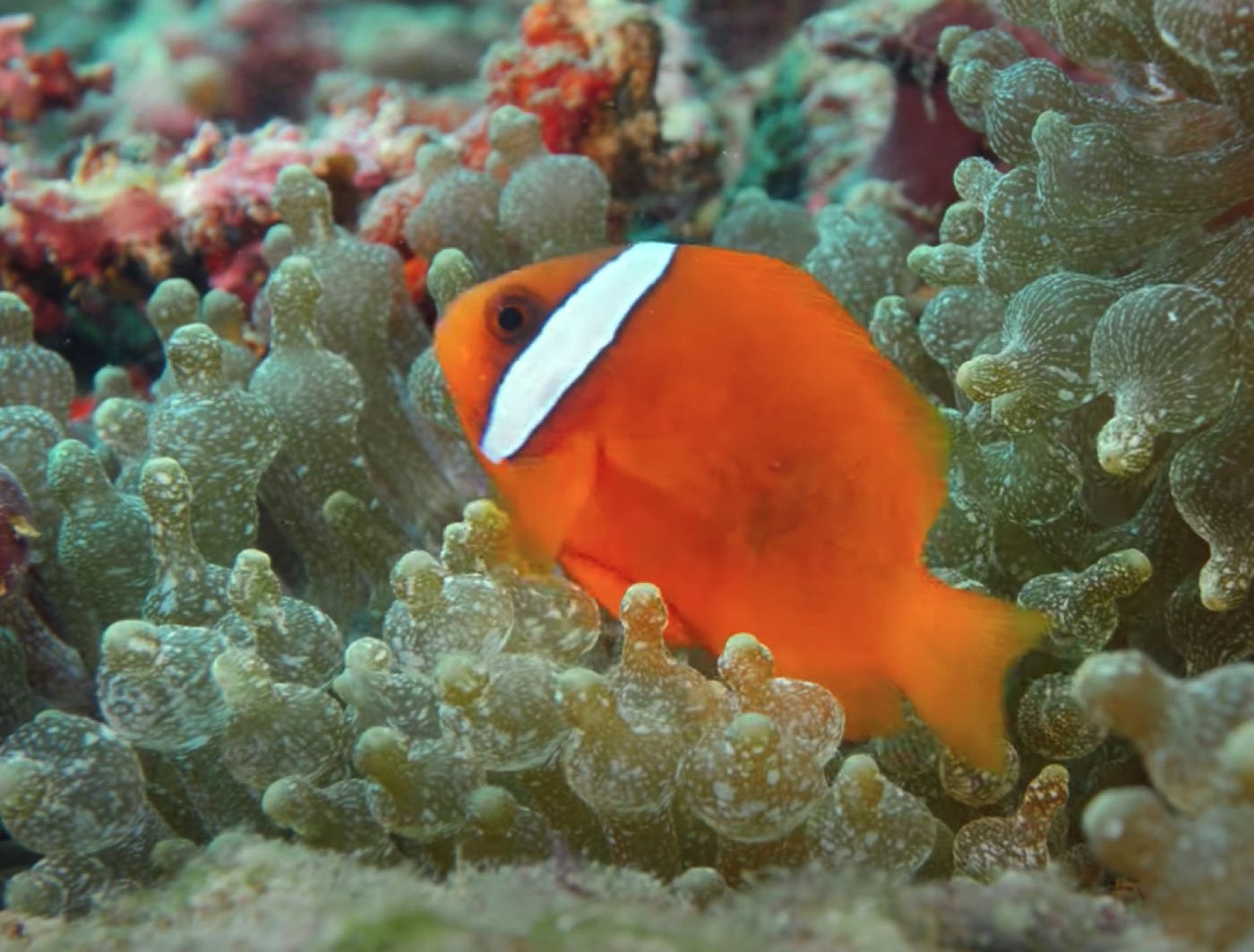
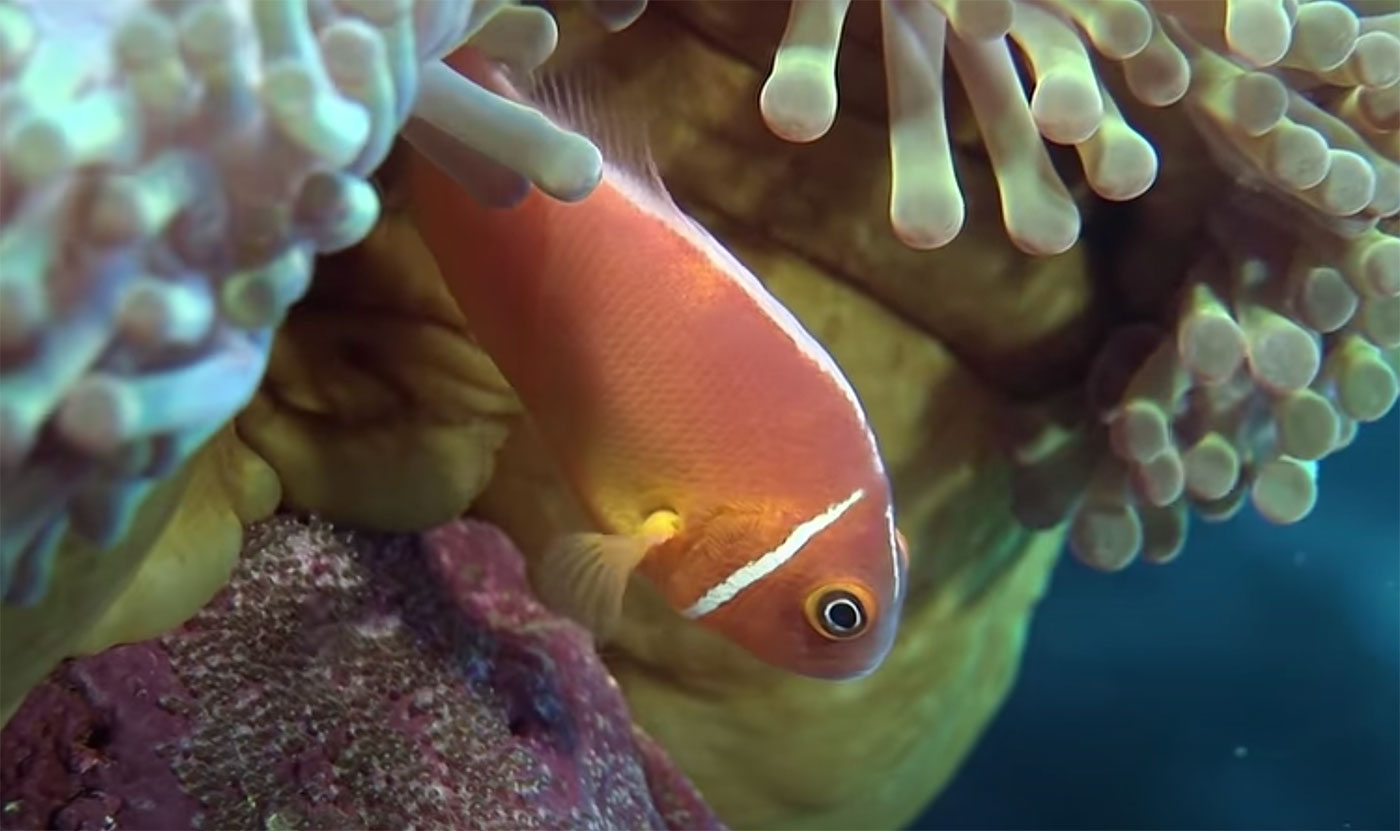
While not a panacea or miracle drug, chloroquine is experiencing resurgence in popularity for use in fish-only aquariums and quarantine systems to treat a variety of problems ranging from Cryptocaryon to Aiptasia anemone infestations.
Aquarium Chemistry: An Attempt to Test Test Kits
James Fatherree and Dr. David Flanigan asked hobbyists to test samples of the same water with multiple test kits. The results were interesting, with important lessons learned for both hobbyists and testing manufacturers.
Product Review: Hanna 'Checkers': Calcium and Iron Colorimeters and Thoughts on Aquarium Industry Product Quality Control
Both instruments are recommended if the minimum and maximum detection limits meet your requirements and good laboratory practices are maintained. Good job Hanna!
Aquarium Chemistry: Phosphate And Math: Yes You Need To Understand Both
Foods are by far the most important source of phosphate in most aquariums. In considering whether sources of phosphate other than foods are important, one must carefully look to the actual amounts involved to determine whether other sources are even worth trying to minimize.
Feature Article: Spectral Distributions of LEDs: AI-Sol, Radion, Orphek, EcoRay, Mvava
In addition to the characterization of light by its intensity and distribution, the spectral distribution is also of interest. Light sources emit light at varying amounts at different wavelengths. Spectral distribution characterizes the light output across different wavelengths of the light spectrum.
Aquarium Chemistry: Effects of GFO (Granular Ferric Oxide) on 'Trace' Metals Concentrations in Artificial Seawater
Granular Ferric Oxide (GFO) is popular among reef hobbyists as a means to decrease phosphate levels and subsequently algal growth in their tanks. GFO, however, can also affect other ions and compound levels as well. In this article, Dana investigates the effect that GFO has on our tanks outside of decreasing phosphate levels.
Aquarium Chemistry: Calcite, Aragonite, Limestone, and More
It's been said a million times that aragonite helps buffer aquarium water, or helps maintain calcium concentrations, while other (carbonate) substrates do not. However, to the best of my knowledge this simply isn't true.
AmericanReef Video Podcast: Part II - Can Coral Reefs Survive Ocean Acidification and Global Warming?
American Reef returns to Reef Systems Coral Farms, a collaborator in an important study of how both global warming and increasing ocean acidity affect coral life. Part 2 of 2.
Product Review: Inexpensive Analytical Devices: Hanna Instruments' Checkers: Alkalinity and Phosphate
In many cases, results from colorimeters are superior to visually judging colored samples. Will an inexpensive device deliver results comparable to an expensive spectrophotometer? Dana tests the Hanna Checkers to find out.
AmericanReef Video Podcast: Can Coral Reefs Survive Ocean Acidification and Global Warming?
American Reef returns to Reef Systems Coral Farms, a collaborator in an important study of how both global warming and increasing ocean acidity affect coral life. Part 1 of 2.
Feature Article: Experimental Comparison of Measured Flow Output of Aquarium Propeller Pumps
Hobbyists have seen significant advancements in the range of aquarium circulation pumps available over the past decade. While all manufacturers provide a flow rate for the pumps, it is not clear what methods have been used to arrive at the numbers. Further, different manufacturers may use different methods. We have presented a standard method that we hope can be adopted by the manufacturers thus enabling a more accurate and verifiable approach.
Product Review: Two Little Fishies' Media Reactor 150 and PhosBan Phosphate and Silica Adsorption Media
TLF's 150 Reactor and PhosBan media performed as advertised. Under the conditions of this testing, both phosphate and silica concentrations fell to levels below the detection limits of 'laboratory grade' instruments. The successful application of these products in aquaria around the world is a testament to their functions. If you're battling algae outbreaks and need a quick solution, give these products a try.
Aquarium Chemistry: The Nitrogen Cycle: New Developments and New Prospects
So far we have always thought of the nitrogen cycle as a series of linear reactions that conclude in a circle. But is it really a cycle? Important discoveries made in these recent years have drastically revolutionized this concept. In this article, I will try to discuss some of these research studies, with the intention and hope of being able to make this complex topic, understandable.
Feature Article: Bacterial Counts in Reef Aquarium Water: Baseline Values and Modulation by Carbon Dosing, Protein Skimming, and Granular Activated Carbon Filtration
What are the bacteria populations in the water column of reef tanks, and how does that value compare with bacterial counts in authentic reef water? Does carbon dosing indeed increase water column bacteria populations (i.e., is growth carbon limited)? Does mechanical filtration (protein skimming and/or GAC filtration) actually remove bacteria from the water column, and if so, how much? Ken, Allison, Sanjay, and Gary's in-depth article puts these questions to the test.
Aquarium Chemistry: Regeneration of Granular Ferric Oxide Media with Sodium Hydroxide
For aquarists who keep non-photosynthetic corals that require massive feeding, have large tanks, or a dense fish population the costs of regular GFO replacement can be significant. With a few simple tools and techniques we can easily regenerate GFO so that it can be reused several times over.
Feature Article: Types of Phosphorus in a Reef Aquarium and Comments and Observations of Removal by Protein Skimming
This testing makes it clear this protein skimmer did remove phosphorus, although the process may not be particularly effective as a sole method of P control, and phosphate could accumulate in the system if other removal mechanisms are not used.
Equipment Review: Inexpensive Aquarium Thermometers - Bargains or Reef Killers? Plus Notes on Thermometer Calibration
It is not uncommon to see an aquarium housing hundreds (or even thousands) of dollars worth of exotic animals while using a very inexpensive thermometer to report this critical parameter. Is this practice a shrewd use of financial resources, or frugality inviting disaster?
Feature Article: The Innovative Aquarium Products of InterZoo 2010
Jake highlights numerous products seen at InterZoo 2010.
Product Review: B-Ionic Seawater is Good to the Last Drop
As with trying and testing all new things, long term performance is what really counts so I was greatly looking forward to seeing if my initial impressions with the 4-part would be similar to my long term experience.
Feature Aquarium: EcoReef One: A New Kind of Nano Reef
The description of this tanks sounds like a list of things not to do when setting up a reef tank: it has no live rock, no live sand, minimal filtration, no additives, the water is never tested, 100% water changes and yet this 5 gallon glass box is one of the most attractive, successful and least demanding reef tanks that I have ever set up.