Invertebrates
Aquarium Invertebrates: A Look at the Giant Clam Tridacna squamosa
There are several species of giant clam available to us, all of which belong to the family Tridacnidae, with each being unique in its own ways. Of these, Tridacna squamosa, is one of the hardiest and easiest to care for, and can be one of the most attractive, too. So, this month I'll give you some information about T. squamosa, which is commonly called the squamosa clam, scaly clam, scaled giant clam, or fluted clam.
Feature Article: Epizoic flatworms impair coral feeding: evidence for parasitism
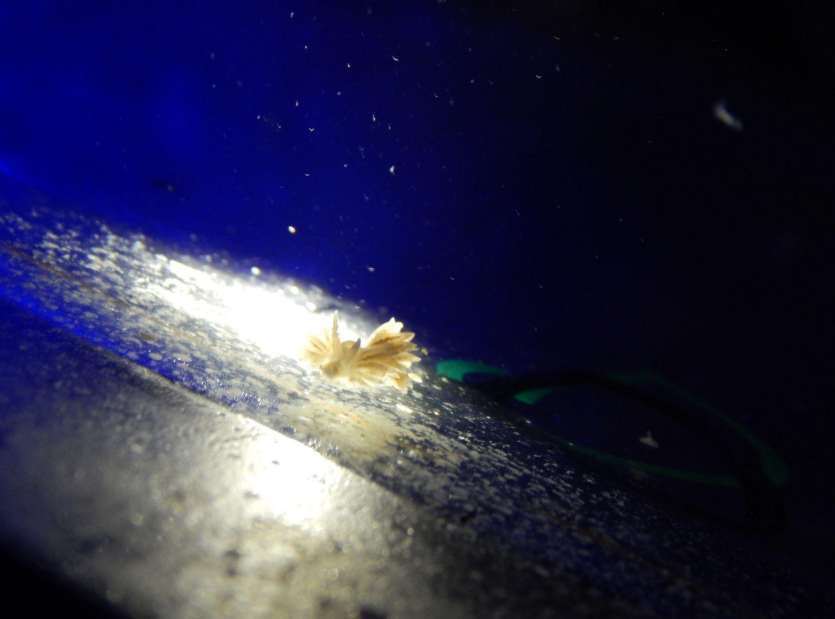
Flatworms are well-known in the aquarium hobby and research community. Both in the wild and in captivity, they hide between the tentacles of many corals. Despite their common appearance in aquaria, the nature of the symbiosis between corals and flatworms has long been unclear. New evidence strongly suggests that epizoic acoelomorph flatworms are parasitic. Next to suffocating coral tissue and feeding on coral mucus, flatworms have now been found to impair coral feeding.
Aquarium Invertebrates: Moon Jellyfish in the Home: Can You Do It?
Jellyfish are an exciting new realm in the marine aquarium hobby. Not only are jellyfish aquariums now available for purchase, but creating and building your own system is also an exciting project.
Aquarium Invertebrates: Phestilla Nudibranchs: Cryptic Enemies of Porites, Goniopora, Tubastrea and Dendrophyllia Corals and an Identification of 'Montipora-eating Nudibranchs'
Dana takes us on an in-depth look at the Phestilla and Embletonia nudibranchs that can wreak havoc on an unsuspecting coral in your tank.
Aquarium Invertebrates: Aiptasia, dinoflagellate algae and cyanobacteria - a three-way symbiosis?
Aiptasia are tropical sea anemones which are commonly found in marine aquaria. Usually introduced as hitchhikers on live rock, they rapidly colonize the aquarium due to their prolific growth. Although Aiptasia may settle on any available substrate, chemical signals may attract them to specific microhabitats. In this article I report on the settlement preference of Aiptasia for cyanobacterial mats, a finding which suggests a three-way symbiosis between sea anemones, dinoflagellate algae and bacteria.
Aquarium Invertebrates: A Look at the Giant Clam Tridacna maxima
With their desirability in mind, if you can find a good specimen these clams can be relatively easy to care for in a well-run reef aquarium. However, they do have particular lighting requirements, and are by no means bulletproof when it comes to keeping them long-term. So, this article will cover their basic biology, how to identify them, and how to best care for them in aquaria.
Aquarium Invertebrates: A Trip to an Indonesian Coral and Clam Farm
A few years ago when I was working on my book about giant clams, I was lucky enough to get a tour of the CV Dinar coral and giant clam aquaculture facility in Indonesia. I'm sure a lot of hobbyists have heard of the "farms" in the Pacific, but I figured I'd give you something of a virtual tour of the place and show you a bit about how things are done there. It was quite interesting to say the least.
Aquarium Invertebrates: A Look at the Sponges
Start small. If you have a certain sponge in mind, if at all possible try to find out as much as you can about that particular type. What environment it comes from, whether it is symbiotic or not, if it is highly toxic (some are), how big it gets, etc. The more you know in the beginning, the greater your chances for success.
Book Review: Breeding Berghia Nudibranches - The Best Kept Secret by Dene Banger
'Breeding Berghia Nudibranches' is a new book by Dene Banger that explains how to set up and maintain a system for breeding Aiptasia devouring Berghia nudibranchs, sell them for fun and profit, and scale the system based on demand.
Aquarium Invertebrates: Hermit Crabs
Reef keeping is replete with these simple pleasures and hermits provide so many; they are cheap, durable, often long-lived and useful. Seeing a well known hermit sporting a new shell one morning is always a pleasant sight and is a sign that things are going as they ought.
Aquarium Invertebrates: On Lighting for Tridacnid Clams
To summarize, it is impossible to give a single number recommendation when it comes to tridacnids' lighting requirements, even for a particular species. Each clam is genetically different, and some members of a given species will need more light than others.
Aquarium Invertebrates: Crabs in the Marine Aquarium
It's important to know what crabs are okay and which aren't. Unfortunately, while there are a few good ones, most of them are definitely off limits for reef aquarists, so I'll give you some basic information about crabs in general and cover the more common types you'll likely come across. Hopefully it will help you decide what to buy or not buy, or what to leave in or get out.
Aquarium Invertebrates: A Look at the Giant Clam Tridacna gigas
Keep in mind that if you plan on having a gigas long term, it will need to be kept in a tank that is at least 18 inches wide, and will more than likely eventually need something even bigger than this. These clam are not suited for life in 55 gallon tanks, etc.
Aquarium Invertebrates: Metasepia pfefferi – the aptly named Flamboyant Cuttlefish
The Flamboyant cuttle is one of the most amazing animals I have encountered in the wild or in captivity. They are beautiful, masterful predators that live fast and die young. It is my hope that one day they will be bred in captivity and readily available for all cephalopod enthusiasts.
Aquarium Invertebrates: Octopus chierchiae – The Lesser Pacific Striped Octopus
(With special thanks to Dr. Roy Caldwell) Octopus chierchiae is an amazing little animal and is clearly worth further study.
Aquarium Invertebrates: The Bleaching of Corals and Giant Clams
Due to the fact that there are so many things that can lead to bleaching, it can be quite difficult to identify its specific cause at times. However, by starting with the basics, and using your head, there's a good chance you can find and fix the problem.
Aquarium Invertebrates: Tridacnid Clams (Usually) Don't Need to Be Fed in Aquaria
James discusses the myth that Tridacnid clams must be fed in order to prevent starvation.
Aquarium Invertebrates: Entacmaea quadricolor: The Bubble-Tip Anemone
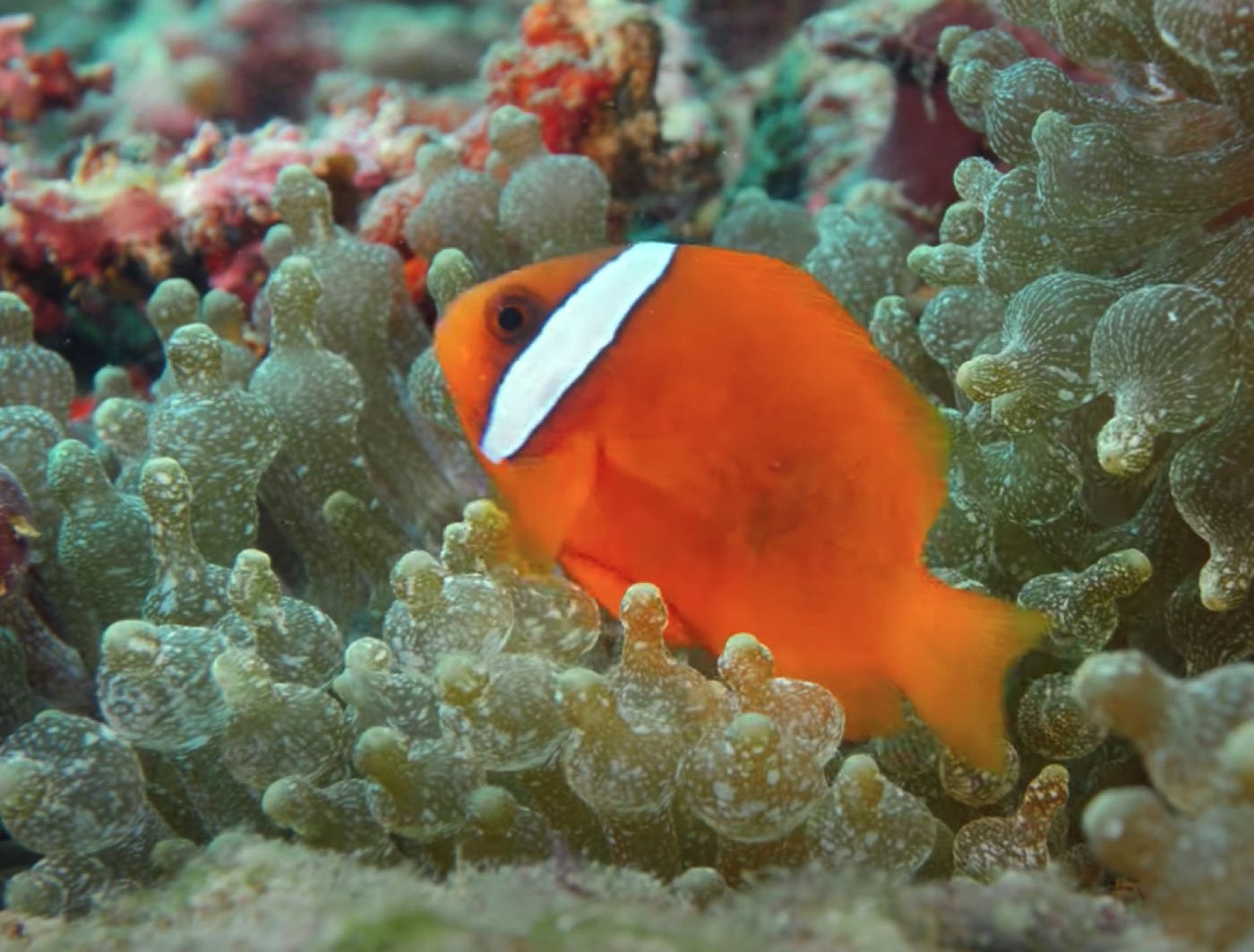
After being in the marine aquarium hobby and trade for almost 20 years, and diving many times around Indonesia, I've had a lot of experience with this particular anemone.
Media Review: The Complete Illustrated Breeder’s Guide to Marine Aquarium Fishes by Matthew L. Wittenrich
Should someone interested in breeding marine ornamental fish read this book? Read the review to find out.
Feature Article: Parasitic Copepods: Enemies of Soft Corals, False Corals, Gorgonians, Anemones, Zoanthids, and Tridacna Clams
This article concludes our brief and incomplete look at copepods capable of potentially harming our captive animals. However, the series will continue with reports of other parasites, including nudibranchs, sea spiders and other 'creepy-crawlies'.