Invertebrates
Aquarium Corals: Stony Coral Parasites: Red and Black Bugs: Identification Guide, Preventive Measures, and a Review of Treatment Protocols
This article is but a small tool for use by serious hobbyists in answering many questions.
Aquarium Invertebrates: A Look at the Hippopus Clams
While you might never see a porcellanus for sale, there's always the chance you will, and hippopus is easy enough to acquire if you want one. So, keep all of this information in mind and do what it takes to keep them alive and well should you make a purchase.
Aquarium Corals: Stony Coral Parasites, Part Two: Copepods: Family Xarifiidae
Dana continues last month's discussion about copepods.
AmericanReef Video Podcast: The Harlequin Shrimp
Eliminate nuisance starfish utilizing the natural appetites of the Harlequin Shrimp. Join Gary and Russ of AmericanReef.com as they shine the spotlight on these unique aquatic critters.
Aquarium Corals: Stony Coral Parasites: Part One: Copepods, Not Just Red Bugs
There is quite a pool of coral parasite research available, but these research articles are disjointed and scattered among the internet and some obscure journals.
Freshwater Aquariums: Ornamental Crystal Shrimp
The explosion in new freshwater aquarists keeping small ornamental shrimp in planted tank environments has created a whole sub-hobby that is dominated by the keeping of crystal shrimp.
Feature Article: Dots on the Glass: Collumbellid Snail Reproduction in the Aquarium
Hopefully, as the knowledge base grows, more easily raised species will be found and protocols will be added for harder species so that the foundation's list of captive-bred species available to hobbyists will continue to grow.
Aquarium Invertebrates: A Look at Giant Clam Spawning in Aquaria
Even under the best conditions, only a small percent of the eggs ejected in a spawning event will actually get fertilized, and of those that do, maybe 5% will make it through metamorphosis, or even far fewer than that.
Feature Article: Evaluation of Chemical Eradication Methods of Acoels (Acoelomorpha) From Marine Aquaria
Currently, 99% of the live stock in the marine ornamental trade is harvested from coral reefs in the wild. Therefore, aquarists should take every precaution to protect their livestock and keep it thriving in captivity.
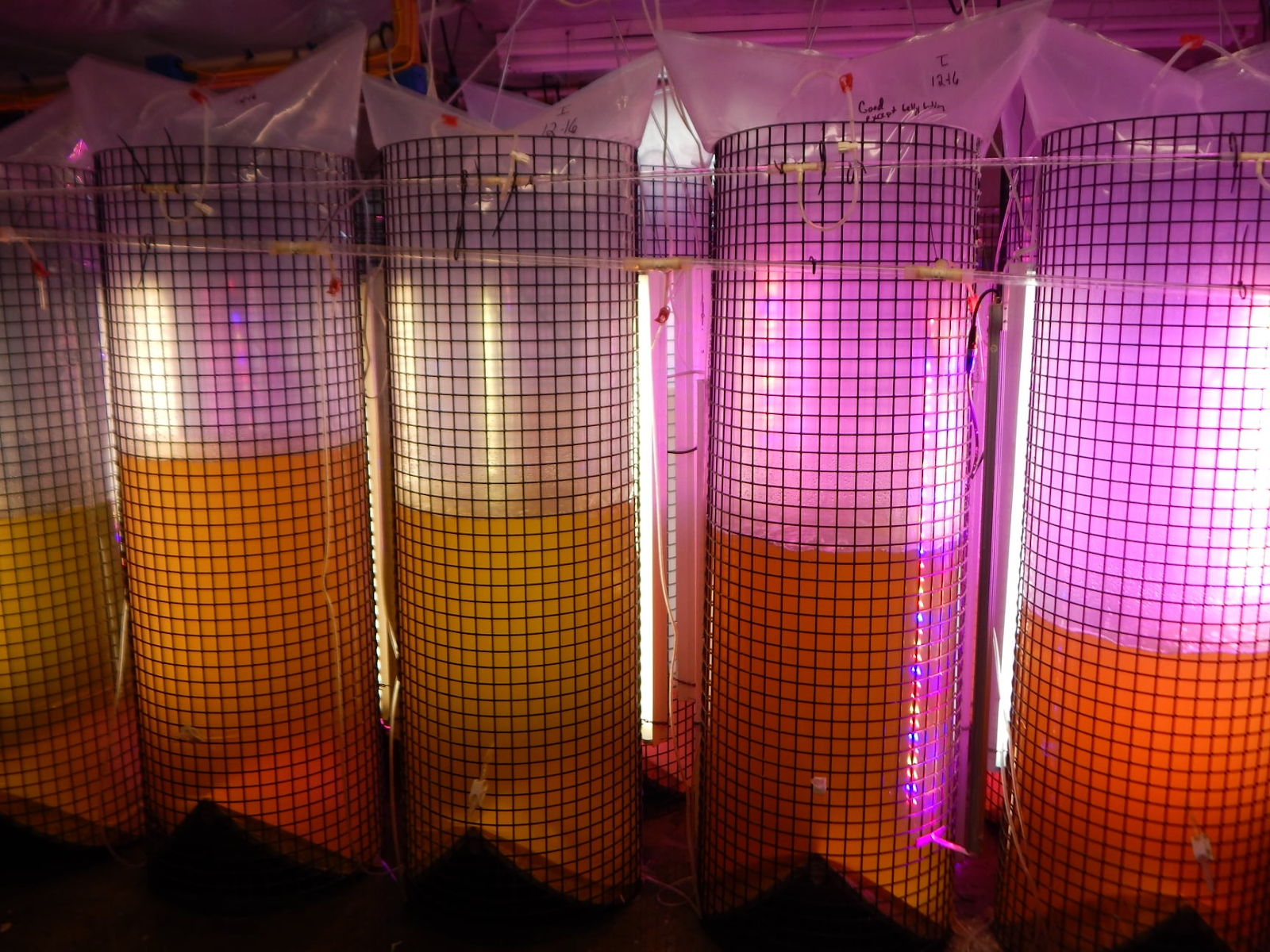
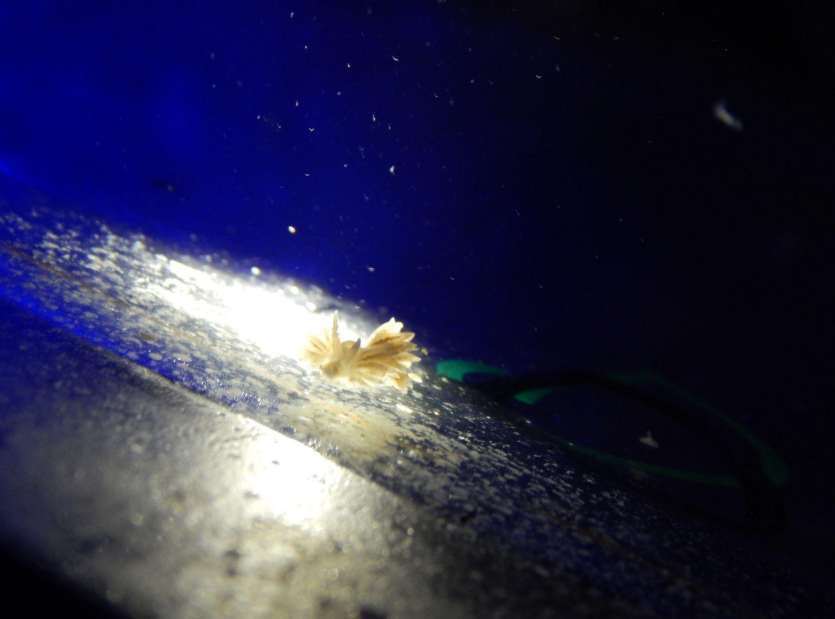
Breeder's Net: Easy Berghia Nudibranch Propagation
Applied Sustainable Aquaculture Inc., The Science and Technology Magnet High School of Southeastern Connecticut. Justin discusses his methods for propagating this interesting nudibrach.
Feature Article: Nudibranchs: Beautiful but Dangerous Marine Creatures
They are considered the most beautiful creatures of the sea and as they move very slowly, they are very popular among submarine photographers.
Feature Article: Toxins, Venoms and Inhibitory Chemicals in Marine Organisms
Competition and the requirement to kill prey quickly means that venoms in marine species are far more powerful than similar venoms in terrestrial organisms.
Feature Article: Tank Raised Moon Jellyfish
The end result is a spectacular display of fluid sculpture the aquarium hobby now has to offer. Something like a living lava lamp.
Feature Aquarium: TugaReef - The Aquarium of Julio Macieira
Julio shares his aquarium with us.
Editorial: December 2006
Terry talks about a red-spined seastar in his refugium and the progress of his new reef tank.
Lateral Lines: Tide Pools Part 3: Human Visitors and Their Usage
Adam continues his series on tidepools.
Podcast: Interview With a Sponge Scientist
The following recording is an interview with Dr. Joseph Pawlik, a marine ecologist at the University of North Carolina in Wilmington (UNCW) who focuses his research interests on the chemical ecology of reef sponges. Joining me for the interview is Chris Jury who is a recently enrolled graduate student at UNCW.
Editorial: September 2006
When it comes to the biological world, things are rarely as simple as they sometimes seem.